

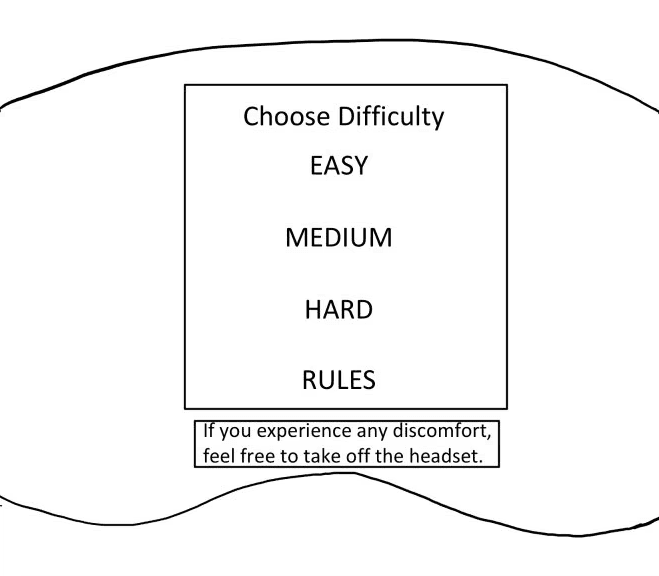
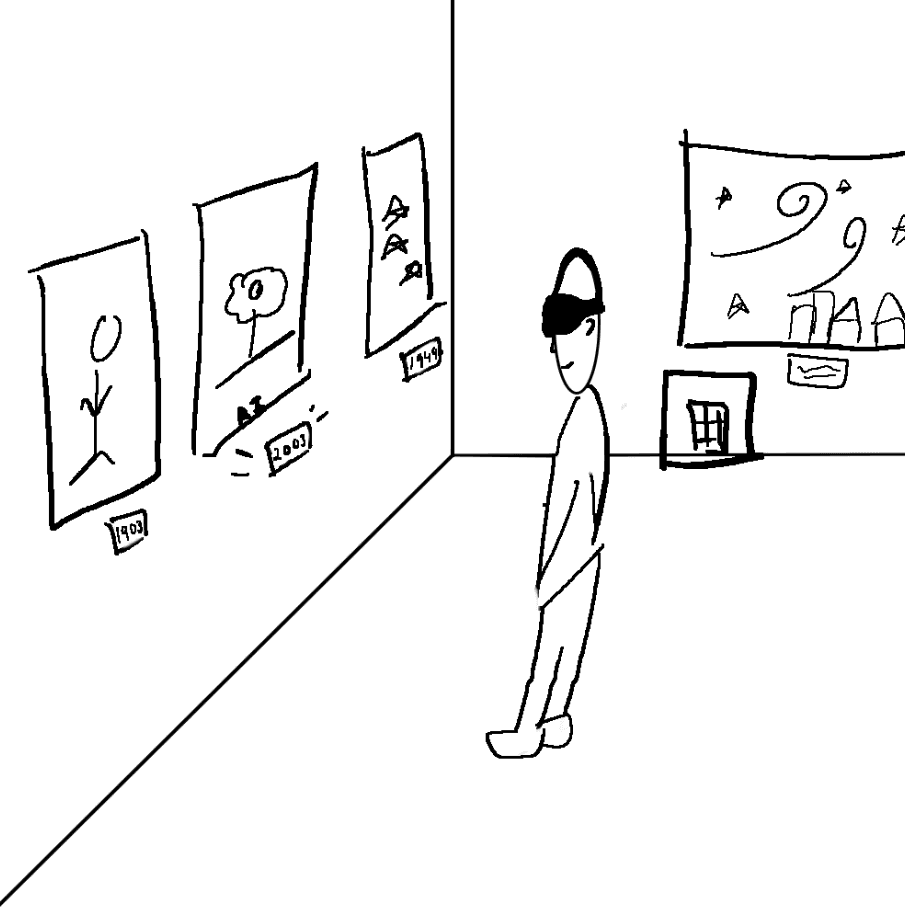

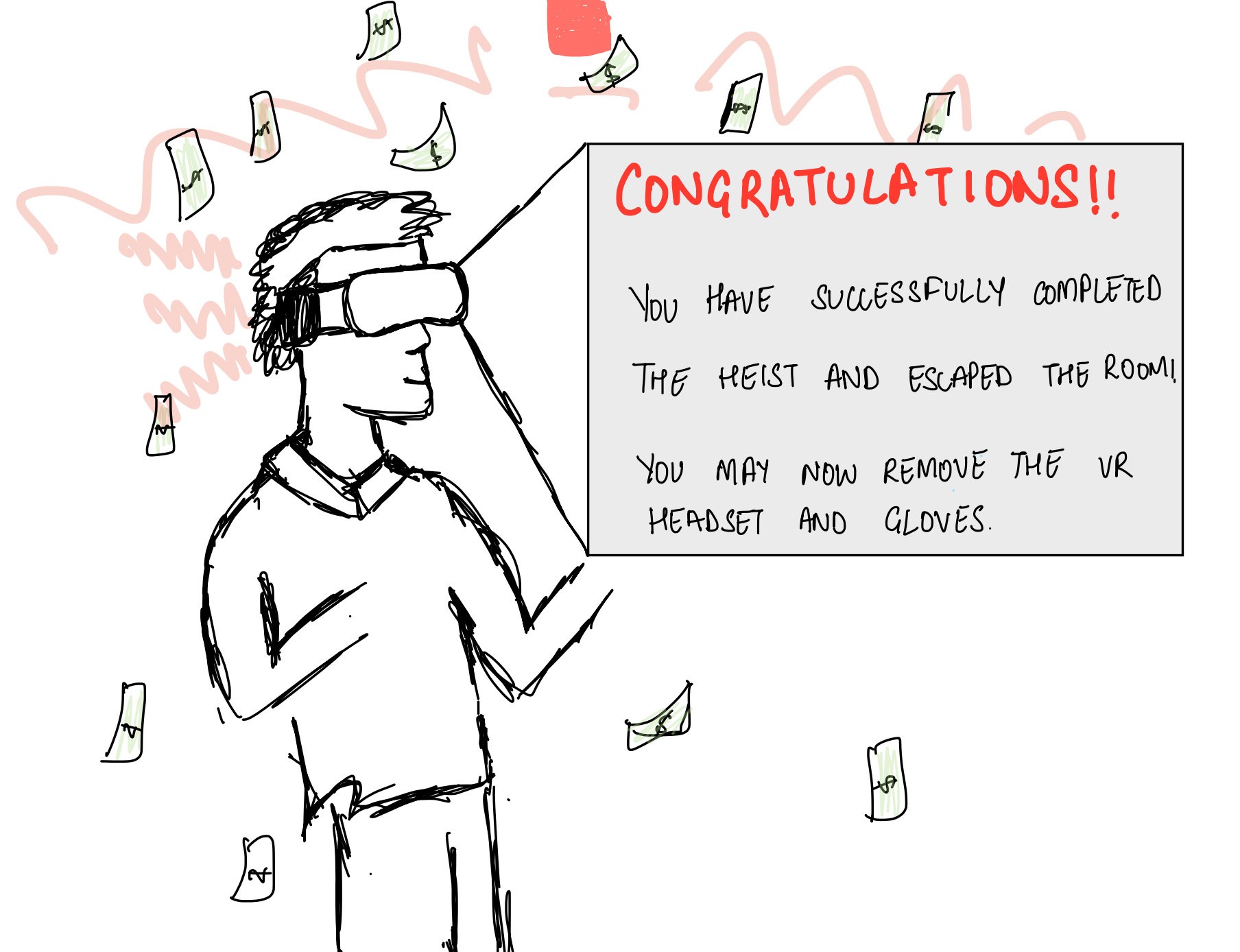

X-scape is a virtual reality game that transforms the escape room experience into the virtual world.
This immersive adventure is designed for puzzle solvers and escape room enthusiasts, all within your Virtual Reality (VR) headsets.
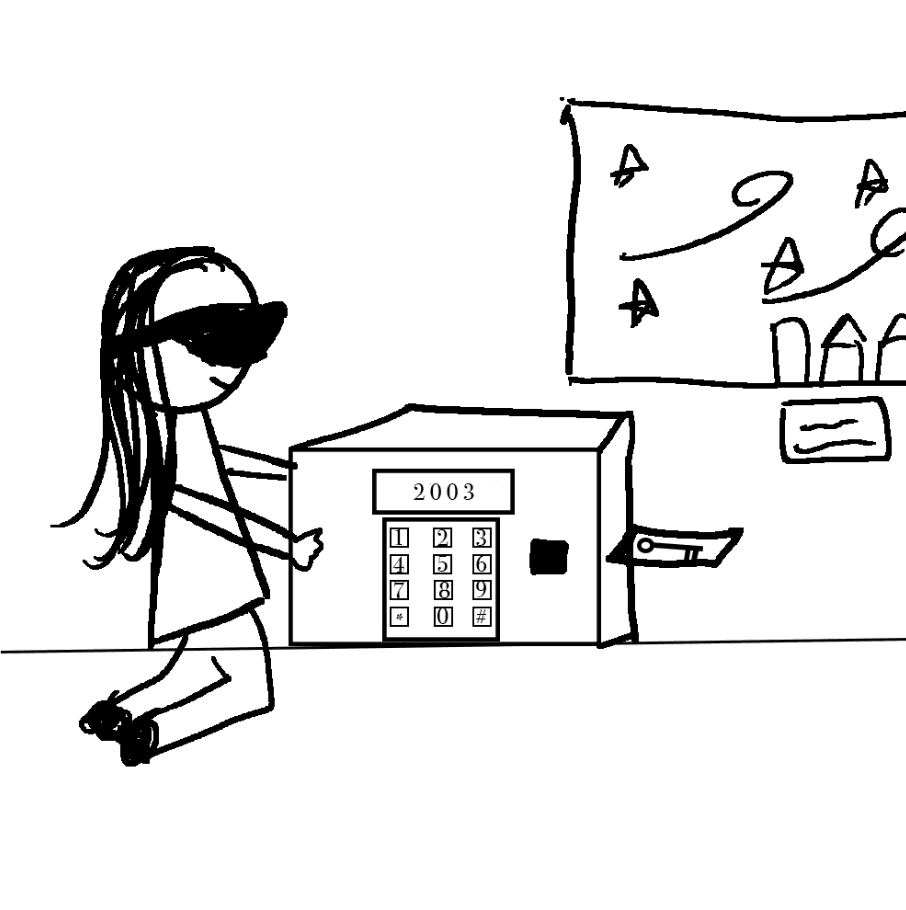
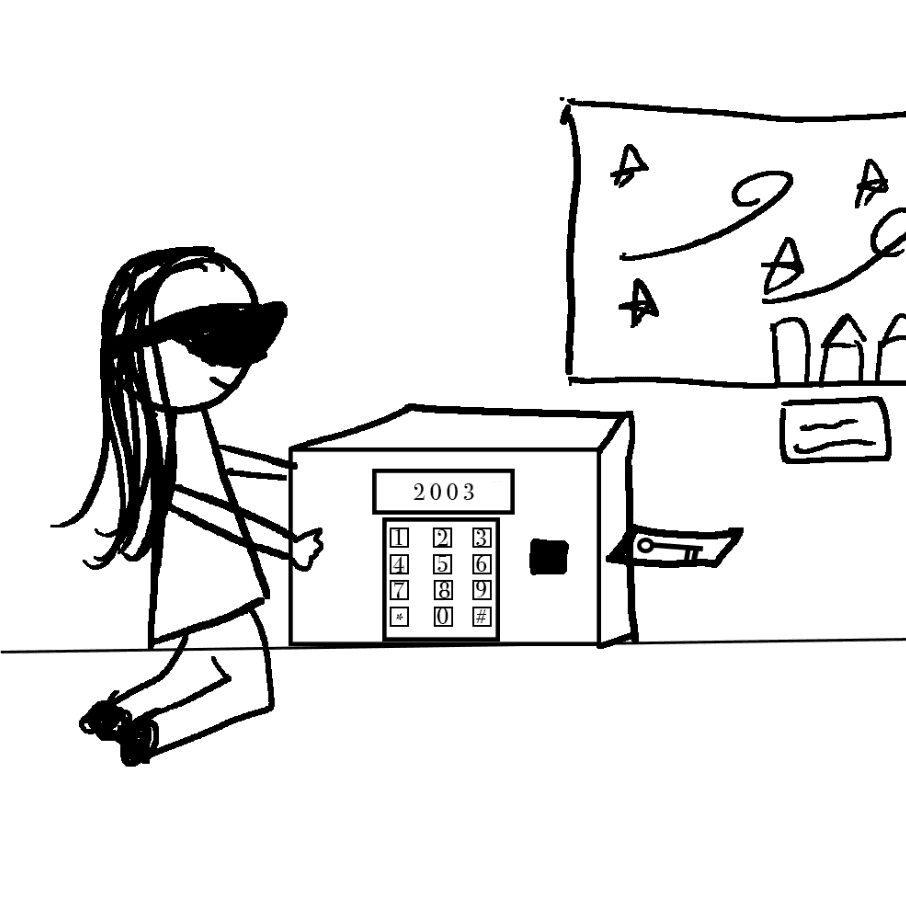
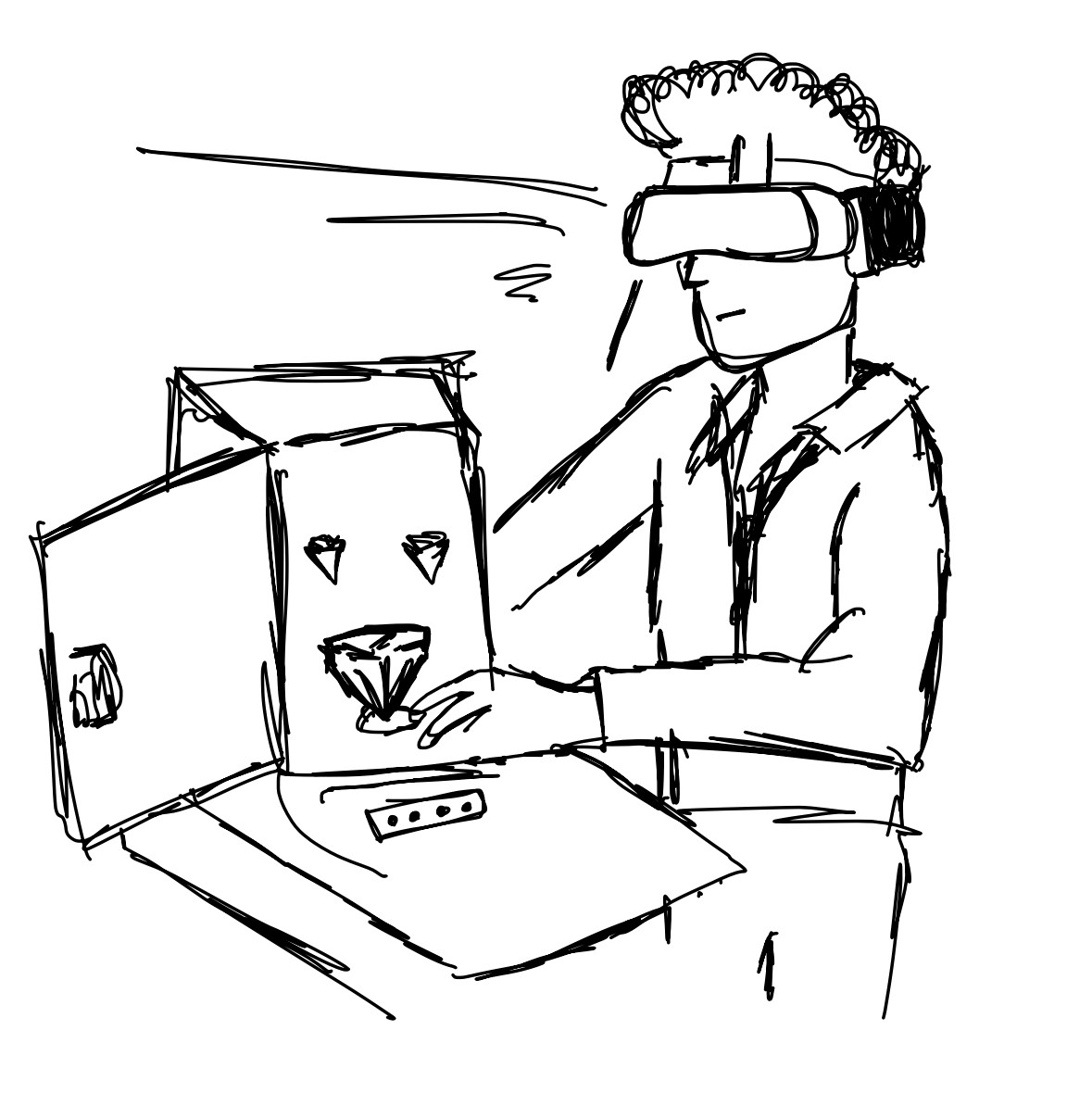
Users will embark on a mission to steal a diamond secured within a safe.
To get to the prize, participants must decipher a series of puzzles strategically placed throughout the escape room.
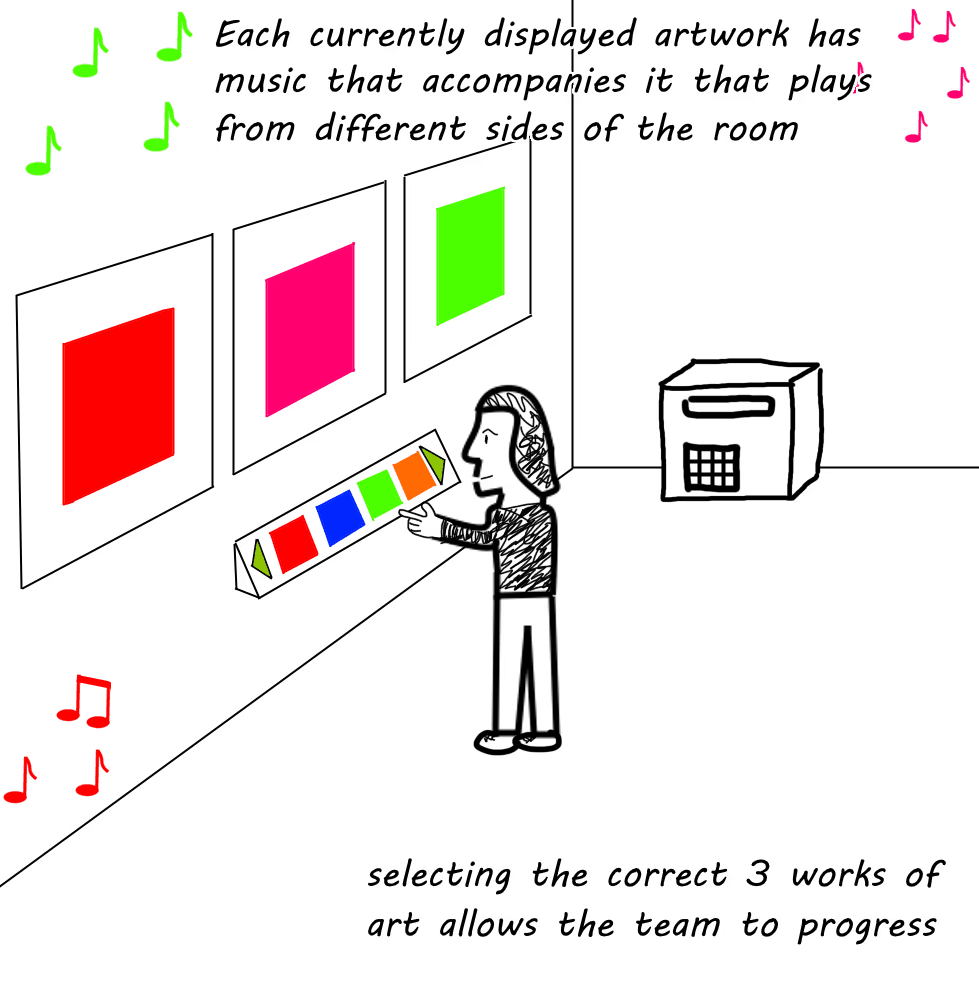
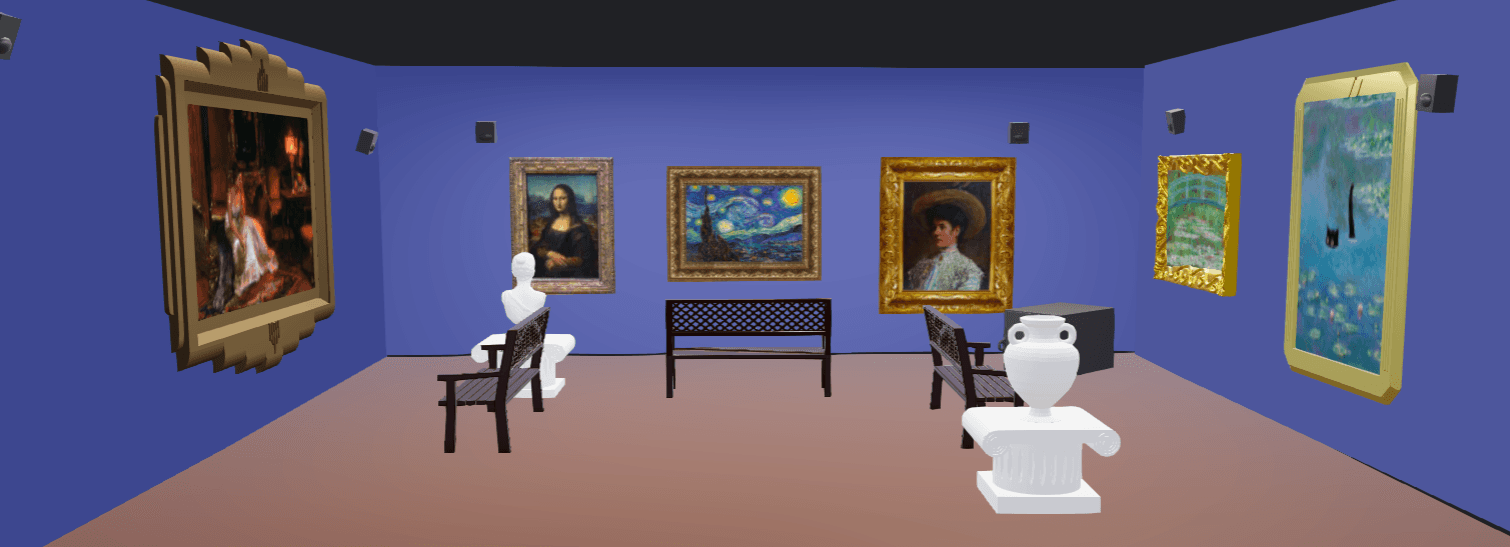
The puzzles in this museum are integrated into paintings, sculptures, and sounds.
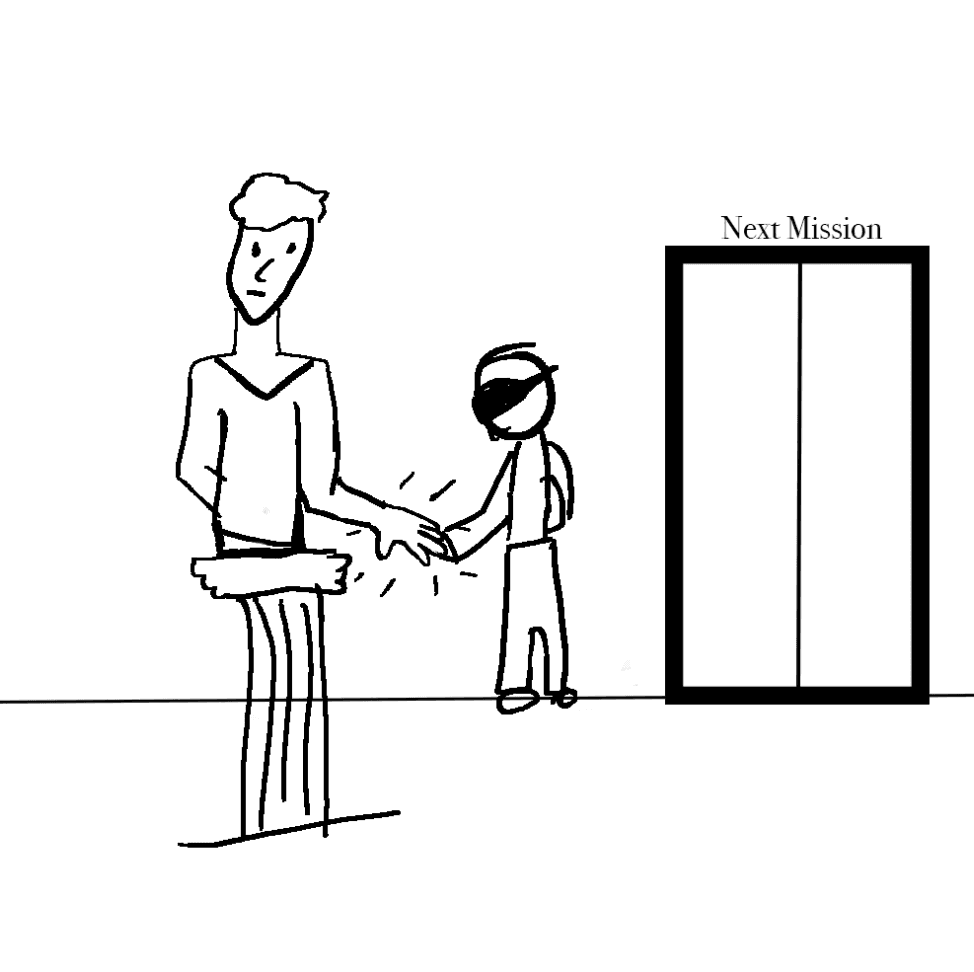
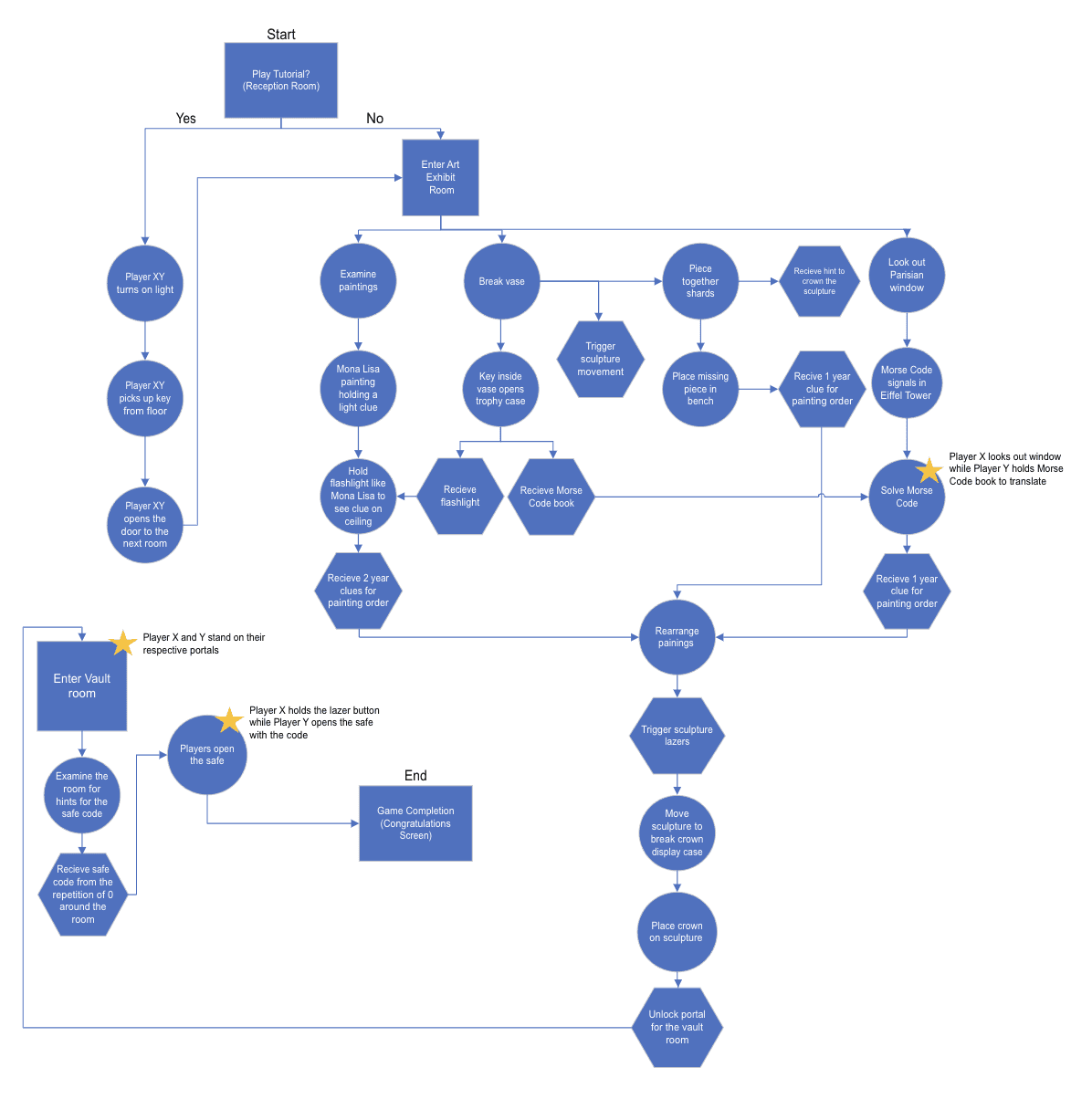
Following a designed path, successfully solving all puzzles leads the user to the ultimate goal, the diamond.
Overview:
Timeline:
January – May 2024
Team:
8 cross-functional members (Designers, Developers, Researchers)
My Role:
UX/UI Designer
Tools:
Fusion 360
Platform:
Oculus Quest VR
"We designed a high-fidelity virtual reality escape room game focused on accessibility, collaboration, and immersive design."
The Problem:
Traditional escape rooms face key limitations:
Require in-person attendance and physical space
Often inaccessible for remote or global users
Limited by safety and realism in puzzle design
Our Goals:
Create a VR escape room playable from anywhere
Support team-based puzzle-solving
Design intuitive interactions that enhance immersion
Research & Insights:
We began research with a review of literatures regarding:
Existing VR games & escape room mechanics
HCI principles for immersive UX
Accessibility considerations for diverse gamers (e.g. audio/visually impaired)
Alongside, we decided our user focus and created personas to match:
User Focus:
Ages 13+ (teenagers and college students)
Tech-savvy, collaborative, socially engaged
Personas:


18 years old
Interests:
Traveling to visit historical art museums worldwide
Trivia games, especially involving historical facts
Heist and prison break movies with complex, strategic plots
Personality Traits:
Curious and intellectually driven
Enjoys challenging herself mentally through trivia and strategic thinking
Appreciates clever storytelling and plot twists
Social Activities:
Plays trivia with friends and family
Desires more trivia- and puzzle-based games to enjoy with others
Motivations:
Driven by a love of learning and discovery
Inspired by clever problem-solving and historical knowledge

Carl
14 years old
California
High school student (just started)
Hobbies/Interests:
Playing video games, especially multiplayer games on PlayStation
Communicating with friends through gaming headsets
Game design and puzzle creation
Virtual reality (VR) technology
Personality Traits:
Curious and forward-thinking
Social and enjoys connecting with others through gaming
Tech Interests:
Believes VR will revolutionize the gaming industry
Actively researches VR and its applications in various fields
Motivations:
Interested in both playing and potentially creating VR-based games
Based on our research, here is what we learned:
✅ Users prefer visually distinct, interactive objects [2][3]
✅ Spatial and audio cues improve puzzle clarity [2][3]
✅ Most users need a guided tutorial in VR [1]
So the question we are answering is:
"How might we design a remote, immersive VR escape room that supports teamwork, and intuitive puzzle-solving?"
Alongside, we came up with 3 metrics to define what success looks like:
75% task completion
less than 30 seconds to learn basic interactions
Positive qualitative feedback on engagement and flow
Ideation & Design:
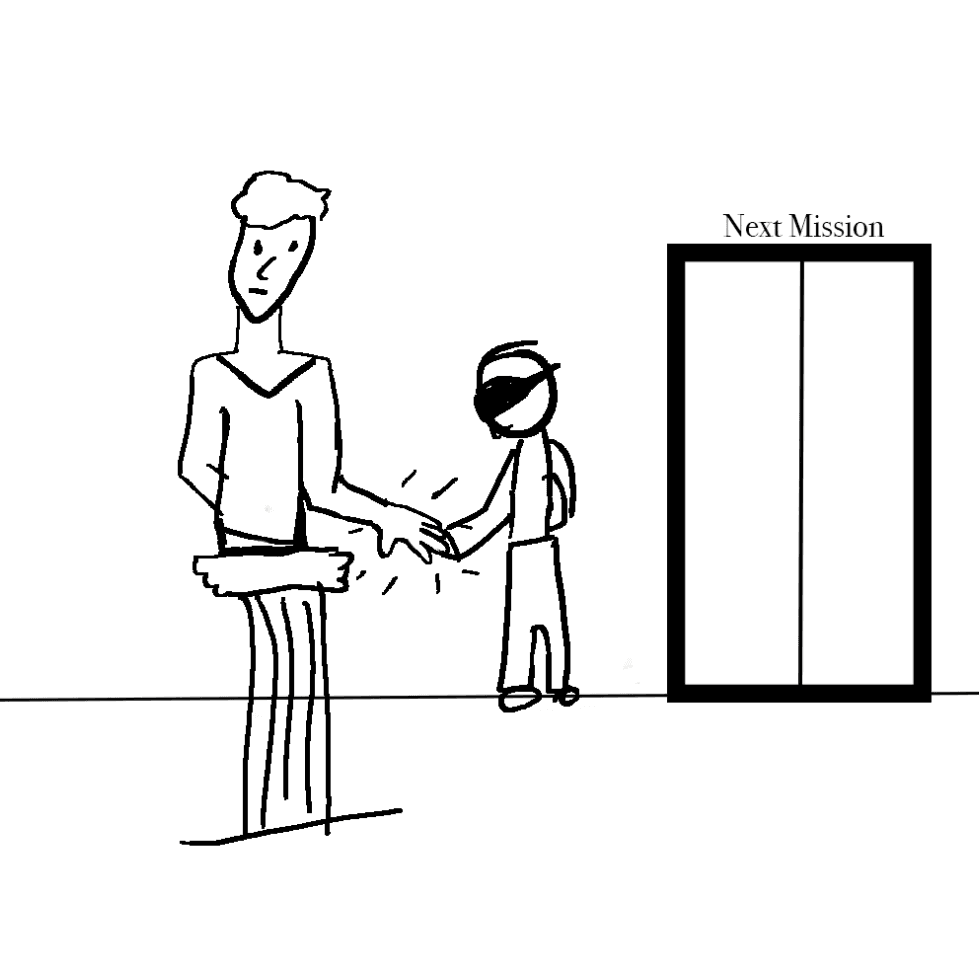
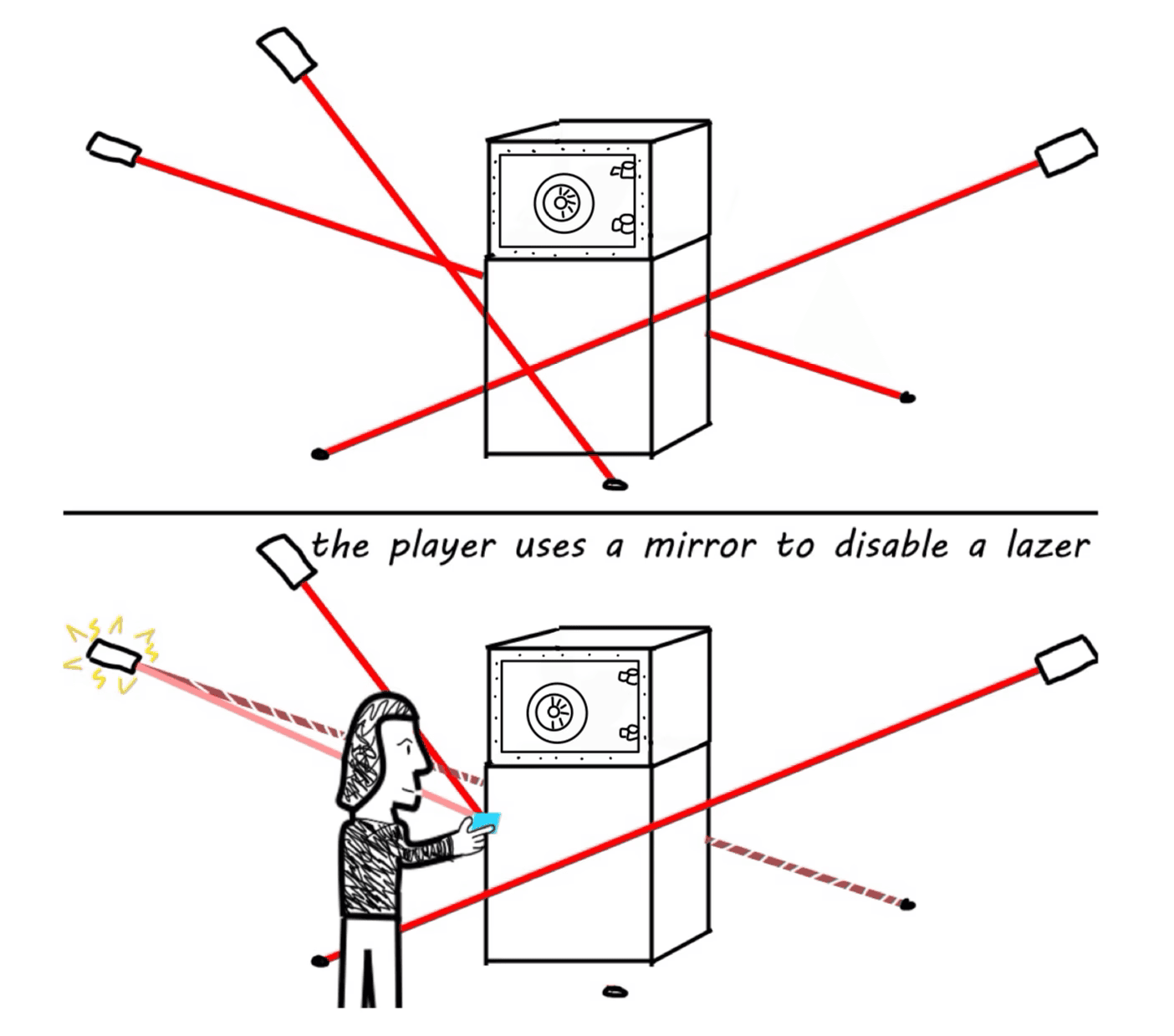
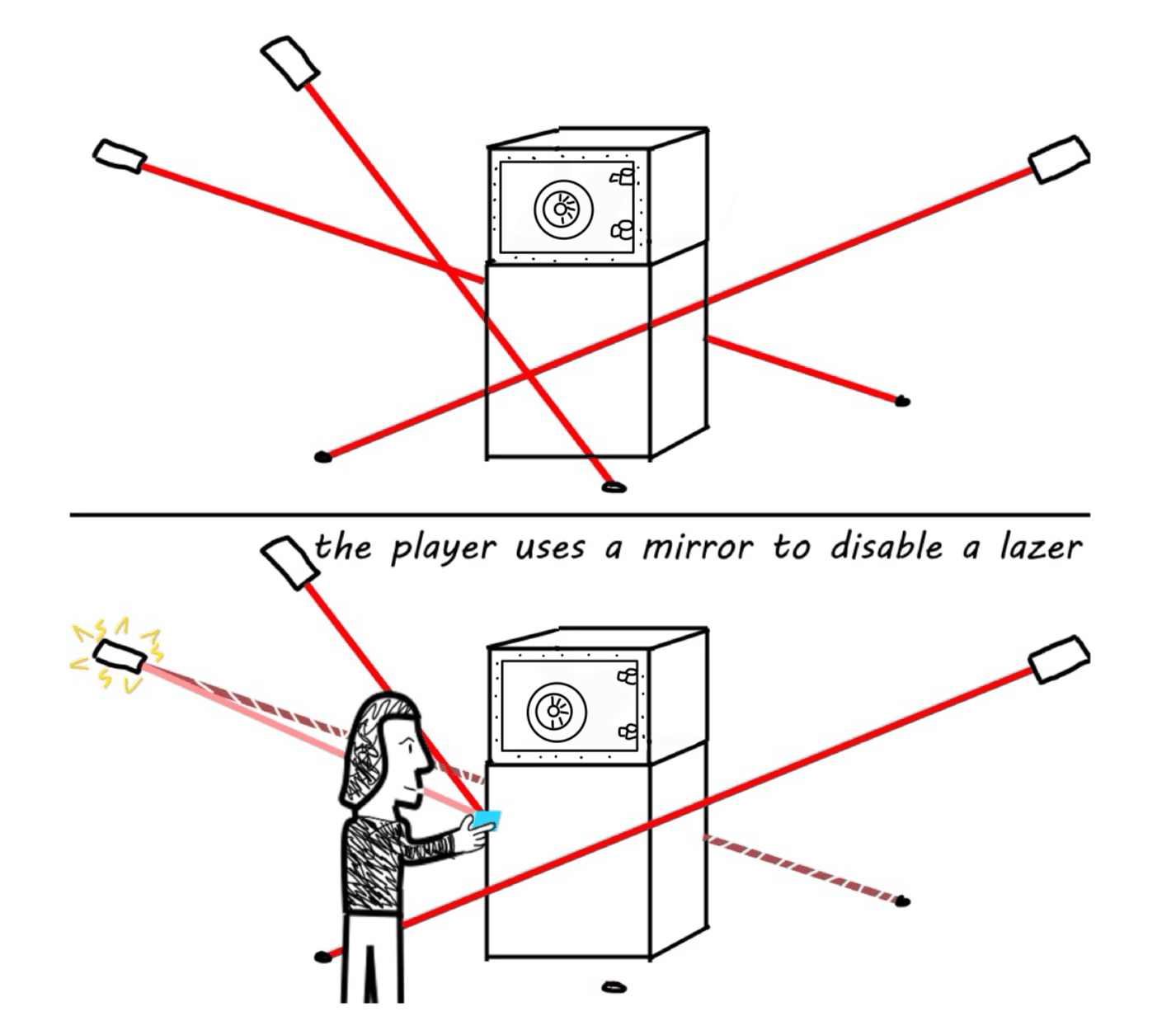
Our ideation process started off with writing down all and any ideas we had for the app. We also drew out some concepts, and created a storyboard:
Following the storyboard, we decided to have the challeges in different rooms.
This was a point of contention between us teammates, but was swiftly resolved when myself and two other teammates suggested to start with two rooms, and add the third (vault room) if time allowed.
Fortunately, we did have the time, and we were able to create all three rooms as planned.
Game Structure:
1. Tutorial Room – Learn controls (e.g., keys, switches, flashlight) 🔦
2. Main Room – Solve multi-threaded puzzles collaboratively 🧩
3. Vault Room – Unlock the safe, steal the diamond 🎯
UX/UI Elements:
Visual hierarchy via object color and shine
Audio/visual feedback for puzzle transitions
Realistic museum setting (CAD-based assets)
Game Flowchart:
Prototyping:
With this, we started with a preliminary prototype developed in Bezi.
In this initial stage, the team wanted to start brainstorming and having a first idea on how the escape room was going to look like.
We took our research, ideation, storyboarding, and user flow to design our prototypes.
While Bezi was a useful tool for starting out and learning about game development, we found Unity to be more capable and intuitive to use.
We developed a high-fidelity Unity prototype with:
VR controls optimized for Oculus Quest
C# scripting for puzzle logic
GitHub for internal collaboration
Adobe Photoshop GenAI for art reveal puzzle
Audio cues (e.g., stone grinding, evil laugh)
CAD 3D modeling imported from Thangs.com or Thingiverse.com, or custom-made by our team members using Fusion 360.
Read More
Testing & Results (summarized):
Results & Impact:
Read More
Reflection:
After completing this project, my team and I learned a number of valuable lessons and skills in HCI and UI/UX Design.
Here are the biggest ones of them all:
Designing in VR requires multi-sensory thinking
Visual + auditory cues are essential for usability
Team communication tools (Jira, GitHub) are vital for complex builds
Sometimes pivoting (e.g., multiplayer → co-located) is the best call
💡 In the future, I’d love to explore networked avatars and multi-difficulty levels for broader appeal.
Game Trailer:
Sources
[1] J. Wann, and M. Mon-Williams, ’What does virtual reality NEED?: human factors issues in the design of three-dimensional computer environments’, International Journal of Human-Computer Studies, vol. 44, no. 6th ed., p. 829-847, 1999.
[2] D. David, E. Arman, and N. Chandra, ’Development of Escape Room Game using VR Technology’, Procedia Computer Science, vol.157, p. 646-652, 2019.
[3] S. Yeasmin and L. A. Albabtain, ”Escape The Countries: A VR Escape Room Game,”2020 3rd International Conference on Computer Applications and Information Security (ICCAIS), Riyadh, Saudi Arabia, 2020, pp. 1-6, doi: 10.1109/ICCAIS48893.2020.9096727.
[4] Z. XR, “Programming with Interactions”, Unity Learn. 18-Dec.-2020. [Online]. Available: https://learn.unity.com/tutorial/creating-your-interactions. [Accessed: 1-May-2024].